

Tax Season for New Investors: What Your 1099 Forms Actually Mean
If you are new to investing, tax season can feel like a second language. We hear questions like, “What is a 1099 form?” and “How do I know which tax document matters?” all the time. For beginners, investment tax forms can seem intimidating, but understanding the basics can make tax season much less stressful.
At Oxford Planning Group, we believe financial planning should be clear and approachable. Through resources like our Fresh Investor Blog, we help investors build confidence around topics that often feel overwhelming, including taxes, investing, and long-term planning.
Why investing matters in the first place
Before we get into forms, it helps to step back and remember why investing matters. Investing is the process of putting money into assets that have the potential to grow over time. For many beginners, this is a key part of building long-term wealth.
The most common investment types include stocks, bonds, mutual funds, and ETFs. Stocks represent ownership in a company. Bonds are generally loans made to governments or companies. Mutual funds and ETFs bundle many investments together, which can help with diversification.
Every investment comes with some level of risk and reward. Higher potential returns often come with more ups and downs. That is why consistency and patience matter so much. Trying to time the market can be risky, while staying invested over time may allow compound growth to work in your favor. According to Investor.gov, compound interest can help your money grow as earnings begin generating earnings of their own.
What is a 1099 form?
So, what is a 1099 form? In simple terms, a 1099 is a tax document that reports certain types of income you received during the year. If you have a brokerage account, you may receive one or more 1099 forms showing dividends, interest, or proceeds from investments you sold.
These are some of the most common investment tax forms for beginners:
- 1099-DIV for dividends and distributions
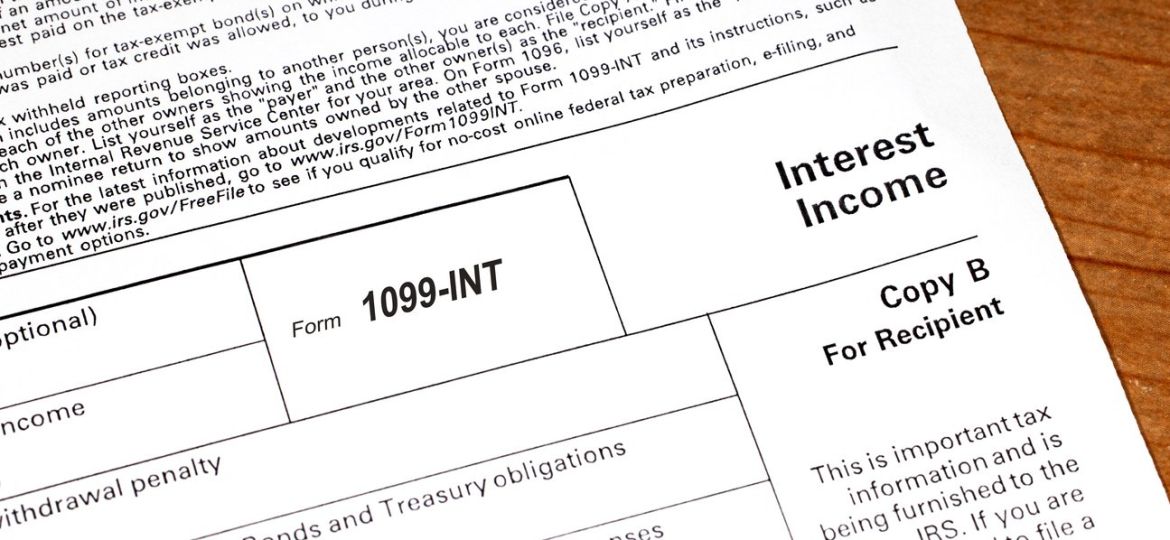
- 1099-INT for interest income
- 1099-B for sales of investments
Many brokerages combine these into one consolidated tax statement. Even so, each section serves a different purpose, and it is important to understand what each one is reporting.
What is a 1099-DIV?
If you are asking what a 1099-DIV is, the answer is straightforward. This form reports dividends and certain distributions paid to you from investments such as stocks, mutual funds, or ETFs.
Dividends are payments some companies make to shareholders. Funds may also pass along distributions. Your 1099-DIV may separate ordinary dividends from qualified dividends, because they can be taxed differently. It may also show capital gain distributions if a fund sold investments inside the fund during the year.
Even if you reinvested those dividends instead of taking cash, they may still be reportable for taxes.
1099-B tax form explained
A common area of confusion is the sale of investments. A 1099-B reports transactions where you sold stocks, bonds, mutual funds, ETFs, or other securities in your taxable account.
A basic 1099-B tax form looks like this: the form generally shows what you sold, when you sold it, and the proceeds from the sale. Your tax filing may also need cost basis information, which helps determine whether you had a gain or a loss.
This matters because taxes are usually based on the difference between what you paid and what you received when you sold. If you held an investment for more than one year, it may qualify for long-term capital gains treatment. If you held it for one year or less, it is generally considered short-term.
For official details on brokerage reporting, the IRS page for Form 1099-B is a reliable reference.
How to file 1099 from brokerage accounts
When people search for how to file 1099 from brokerage accounts, they are usually trying to figure out what to do with the stack of tax forms that arrives in late winter. The first step is not to panic.
Start by gathering every tax document from your brokerage. Review whether you received a consolidated statement that includes 1099-DIV, 1099-INT, and 1099-B details. Then make sure those amounts are included correctly when preparing your return, whether you file yourself or work with a tax professional.
It also helps to watch for corrected forms. Brokerages sometimes issue updates after the first version is sent, especially if investment companies finalize tax reporting later than expected.
For newer investors, taxes are one more reminder that investing is not only about buying assets. It is also about understanding how those investments fit into your larger financial life. That is one reason many people turn to a planning-focused team for guidance.
Building confidence as a new investor
Learning investment tax forms for beginners is part of becoming a more informed investor. The good news is that you do not need to master everything at once. Start with the basics, stay consistent, and focus on the long term rather than short-term market noise.
At Oxford Planning Group, we are passionate about helping people make informed financial decisions. Whether you are exploring educational resources on our blog or learning more about our services, we encourage new investors to keep building their knowledge one step at a time. Tax forms may seem complicated at first, but with the right guidance and a steady long-term mindset, they become just another part of your investing journey.
Share this post
Related posts